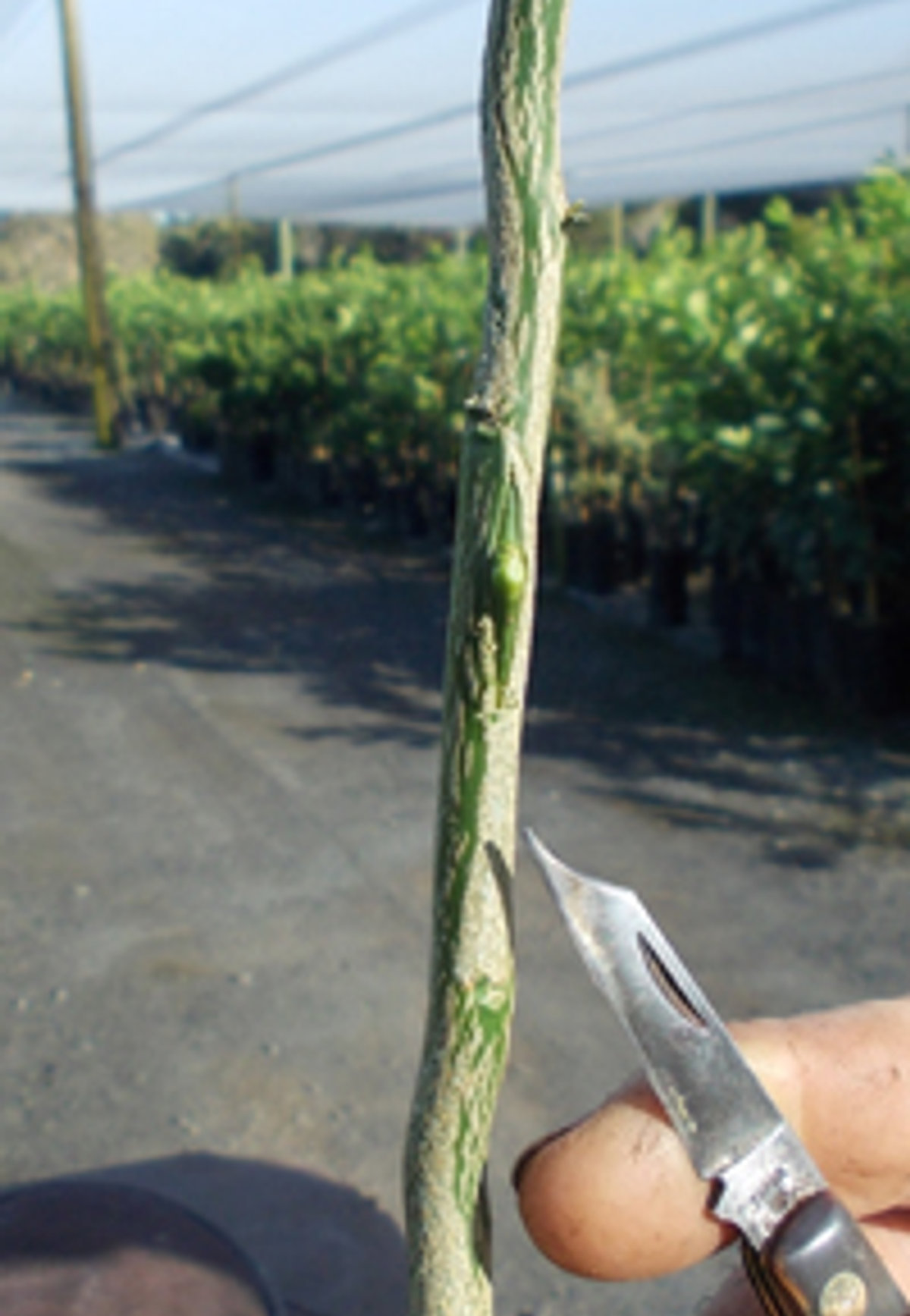
Scion to rootstock
Compatibility between the variety you want and the rootstock it sits on, for the crop you are actually chasing.
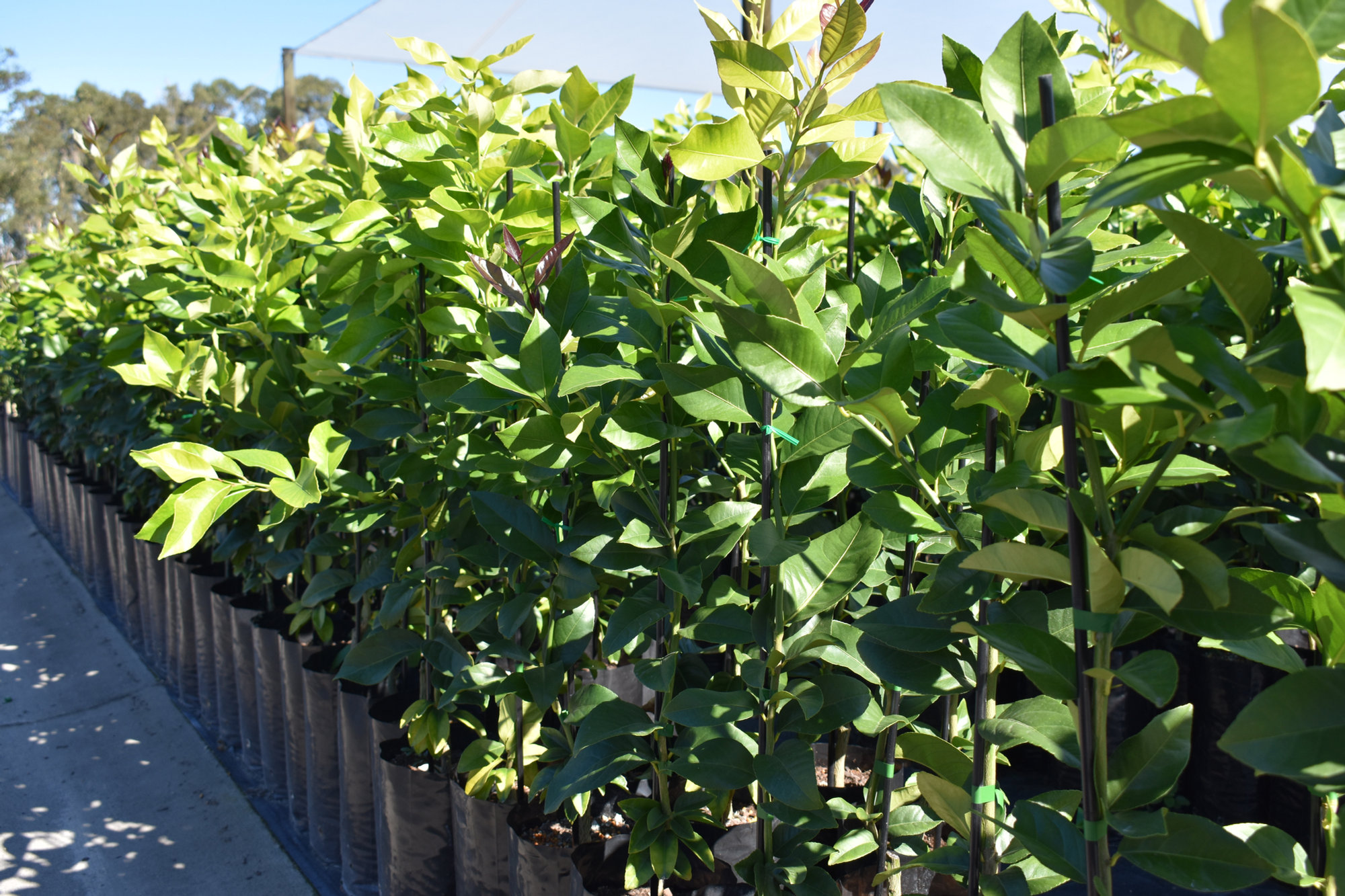
A wholesale nursery on the far north coast of New South Wales, supplying quality citrus and fruit trees to the trade and to orchardists across Australia.
John Mills started Brunswick Wholesale Plants in 1990, sixteen years after he began his career with a leading nursery in 1974. Every tree that leaves here is budded, potted and grown on site, so we know exactly what has gone into it.
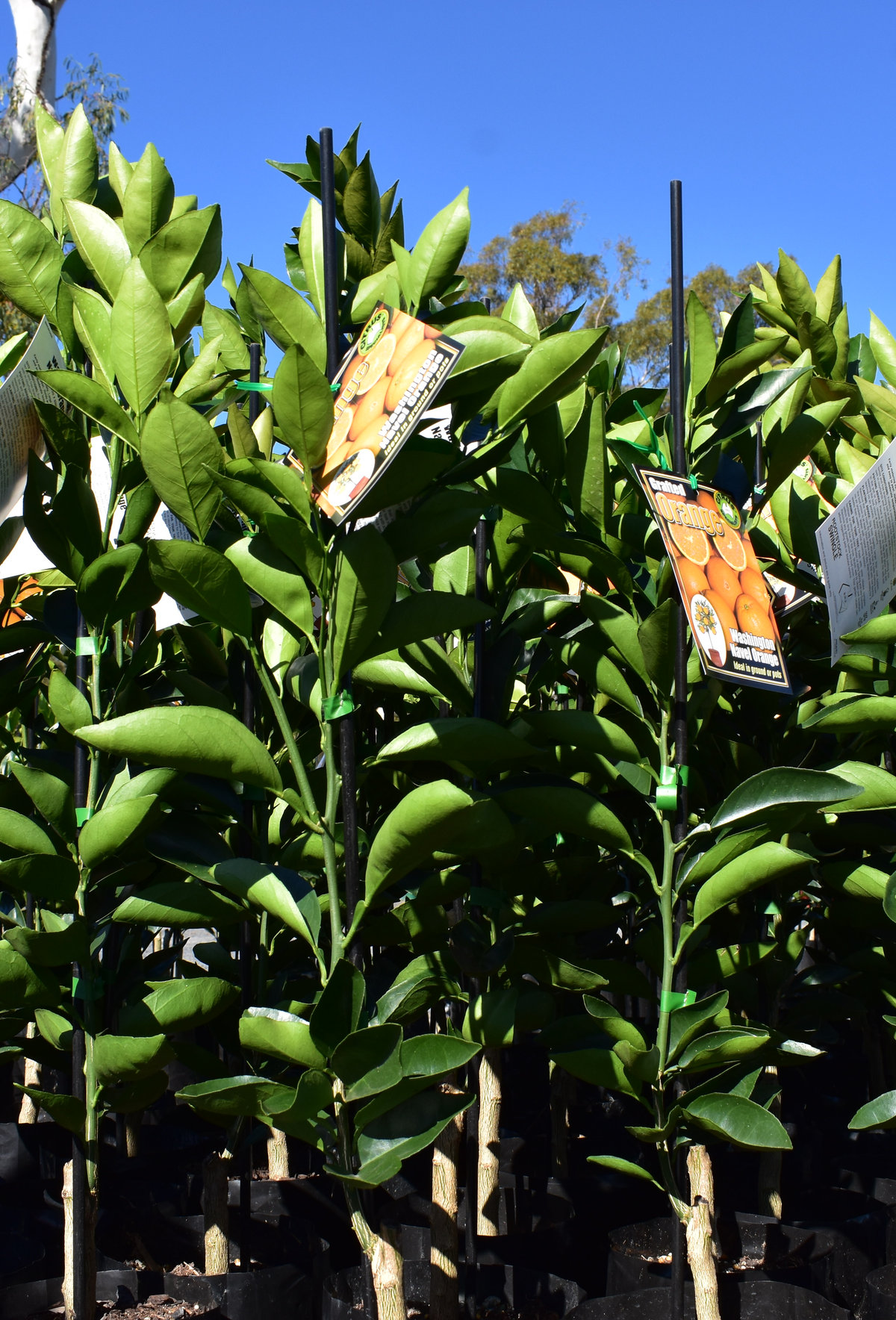
Citrus trees, dwarf citrus, finger limes, olives and dwarf mulberries. Around sixty varieties, all produced on the one block.
Because it all happens in one place, we can take a small order as seriously as a large one, and tell you honestly what will be ready and when.
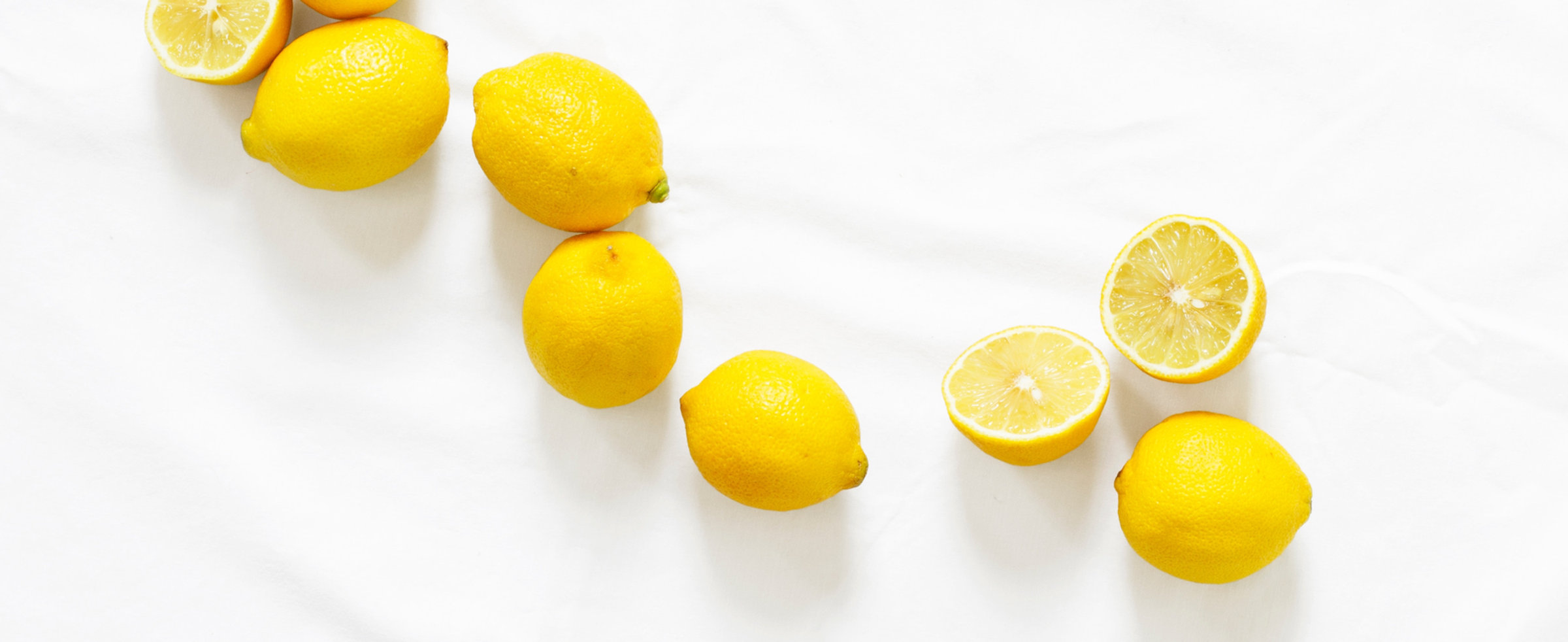
What we grow, what it does and when it fruits. Pick a category to narrow it down.
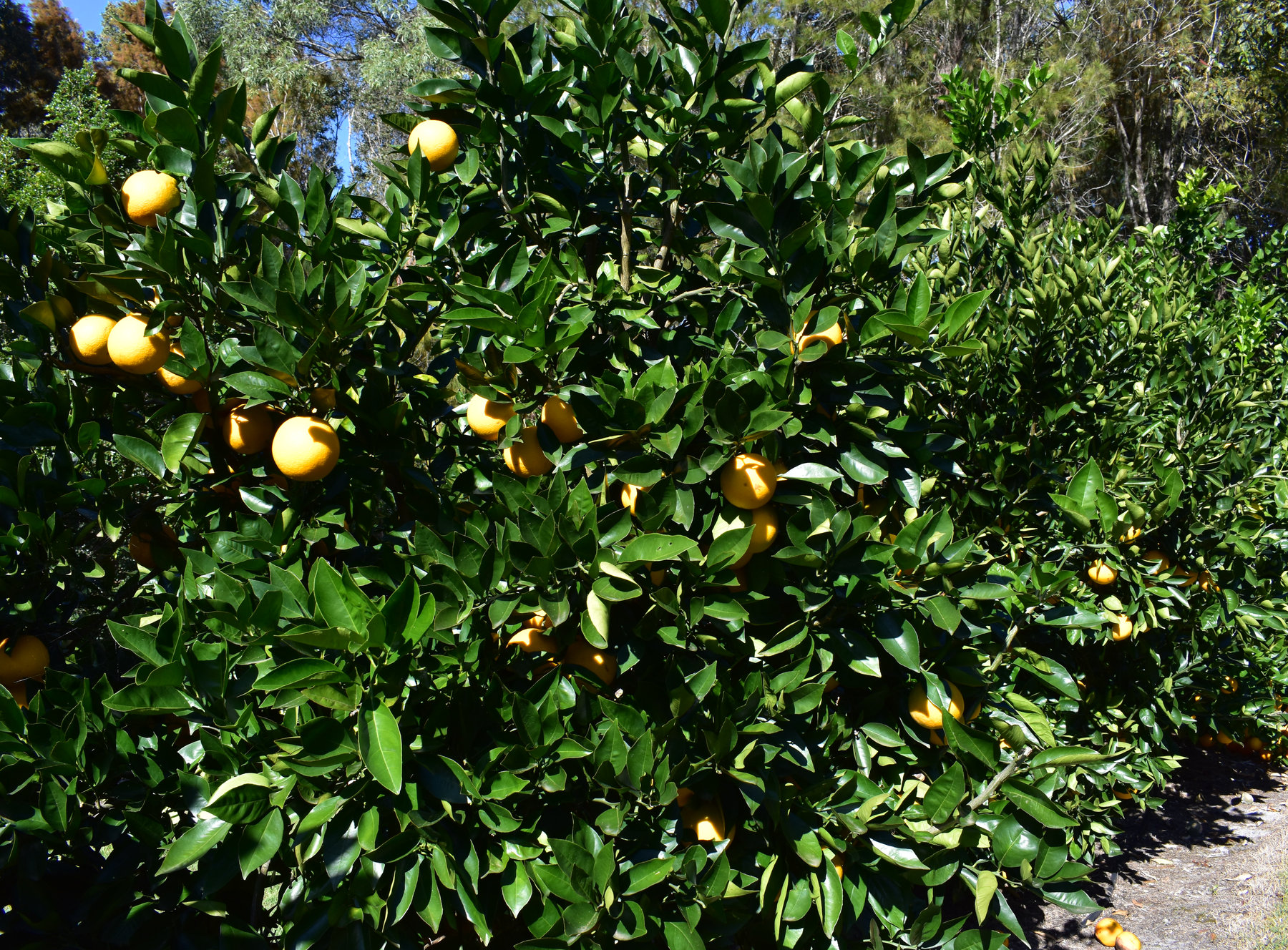
Medium fruit with a thin skin and good flavour. Hangs on the tree until very late in the season in good conditions. Excellent for juicing. Grows to roughly 3 to 4 metres.
Medium fruit, thin skin, good flavour, and it will hold late on the tree. A juicing standard. Grows to roughly 3 to 4 metres.
Medium fruit with a thin skin, good flavour and very few seeds if any. Holds late on the tree and juices beautifully.
A mid-season, low acid seedless blood navel. Raspberry coloured flesh, sweet with subtle cherry undertones and extremely juicy.
Juicy and sweet with deep red stained flesh, maturing mid-season. Colour can be lighter in mild climates, and one tree may carry both blood and plain fruit.
One of the first oranges of the season. Slightly oval with deep orange skin, sweet, seedless and juicy. Good to eat or juice.
Large fruit that colours and holds late on the tree, staying good to eat well into the back end of the season.
From California and well suited to coastal Queensland and northern New South Wales. Fruits mid-season, juicy with fine flesh and rich flavour.
Bitter, sourish fruit used mostly for marmalade. Fruits mid-season and holds late on the tree in good weather.
Mid-season with large fruit that peels easily and eats well. A long lived tree, and the mandarin most growers start with.
Grows well through coastal Queensland and northern New South Wales, fruiting mid-season. Juicy with fine flesh and rich flavour.
A vigorous, bushy tree that wants protection from frost. Carries a heavy crop of deep orange fruit, very juicy and very sweet. Good for preserves.
Late maturing, August to October in warmer areas and stretching to November where it is cooler. Thin skinned, excellent flavour, high juice content.
A heavy bearer that prefers an open sunny position. Fruits mid-season with medium sized juicy fruit. A good backyard tree.
Late fruiting with large, flattened fruit and a thin bright skin. Excellent in warm climates.
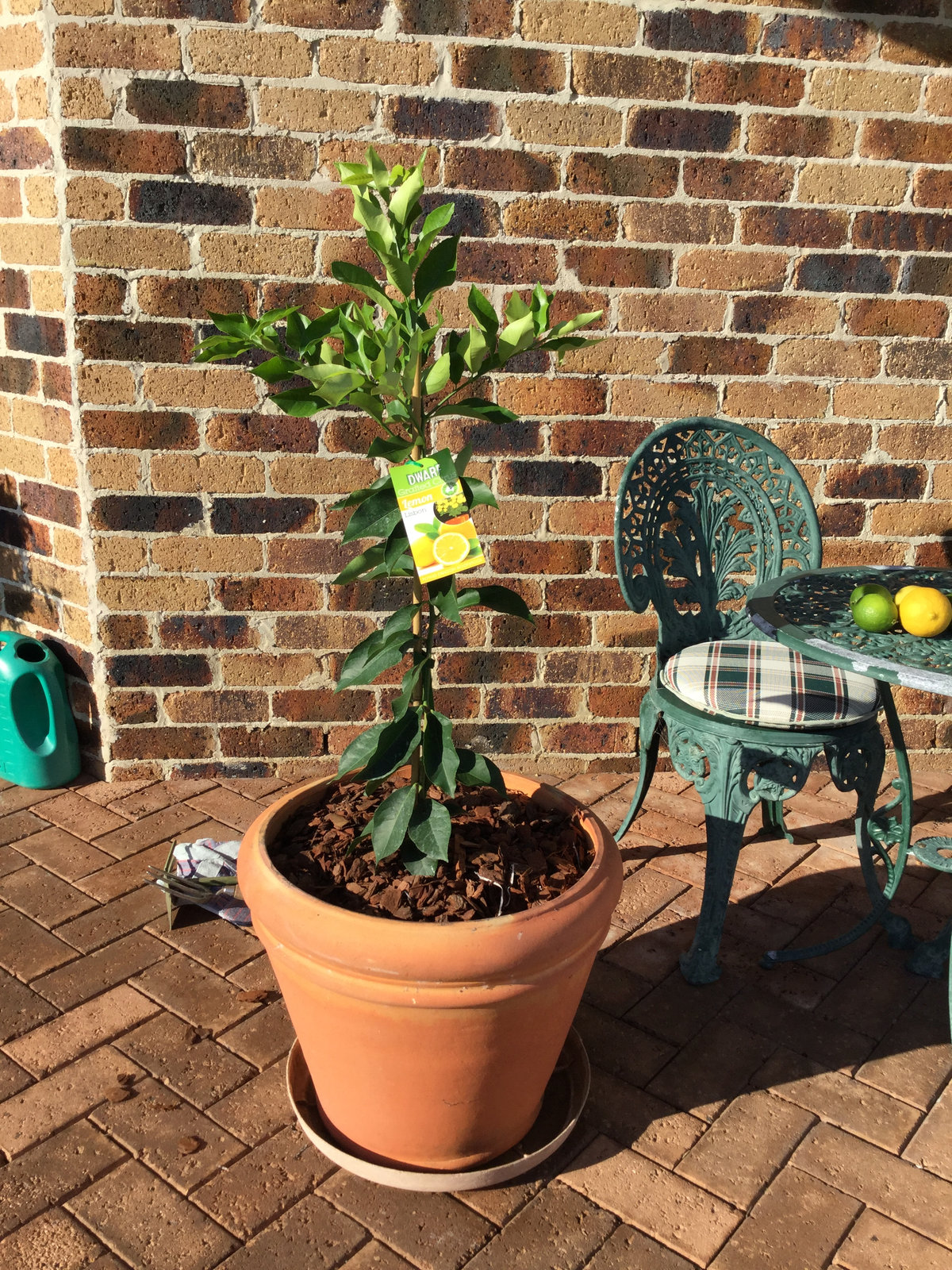
The same varieties on a smaller frame, sized for courtyards, patios, balconies and decks. Containers want to be at least 400mm wide and deep.
The native lime, grown here for the restaurant and specialty trade as well as home gardens.
Olive trees produced on site alongside the citrus, for growers and landscape supply.
Compact mulberries that fruit young and stay manageable in a small yard or a large pot.
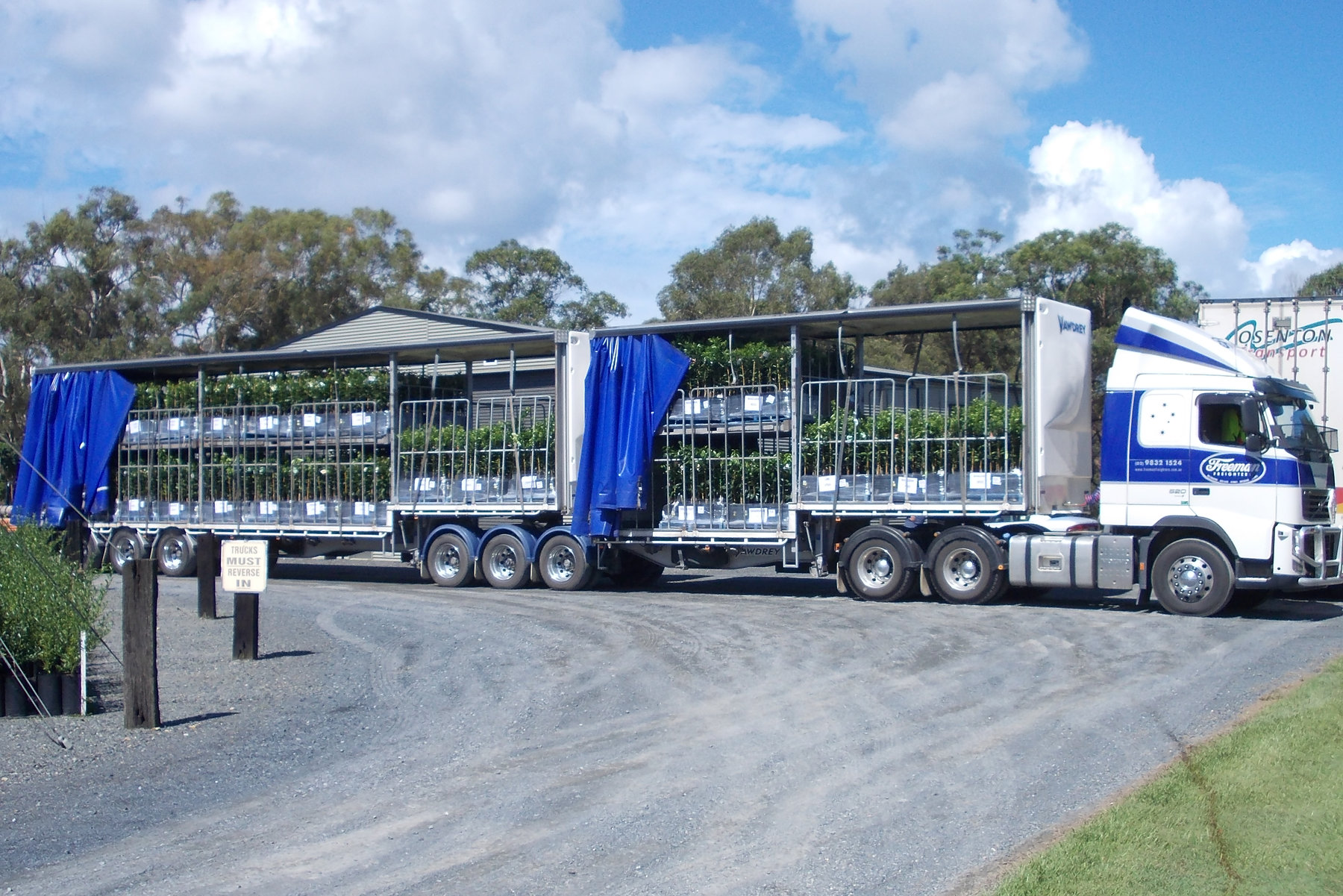
The nursery sits just 400m from the Pacific Highway interchange at Brunswick Heads, which is why we can arrange reliable, price competitive transport to most capital cities.
Orchardists have very specific requirements, and getting the advice right before the trees go in the ground matters more than anything that happens afterwards. Worth working through with us:
Compatibility between the variety you want and the rootstock it sits on, for the crop you are actually chasing.
Which rootstock suits your soil type, drainage and district rather than the one that is simply easiest to source.
What needs doing to the block before planting, including mounding where drainage is poor.
Two to three metres minimum between trees, more again where larger trees are already established.
Knowing who buys the fruit and when, before you commit a paddock to a variety for the next twenty years.
Talk to citrus grower associations and other orchardists in your region, and check your state government resources.
Tell us the varieties, the numbers and roughly when you need them on the ground. If we are short on something we will say so and tell you what is coming.